Mingyanhai (Changzhou) Microelectronics Co., Ltd.
Leading Polishing Industry Solution Provider
Leading Polishing Industry Solution Provider
Leading Polishing Industry Solution Provider
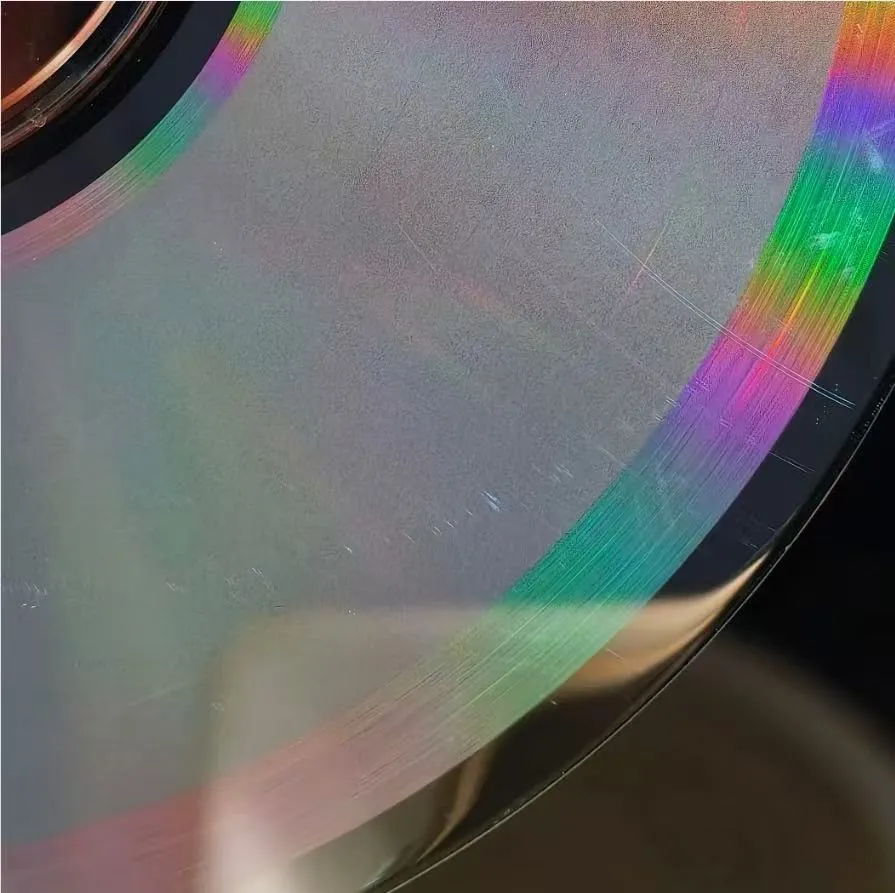
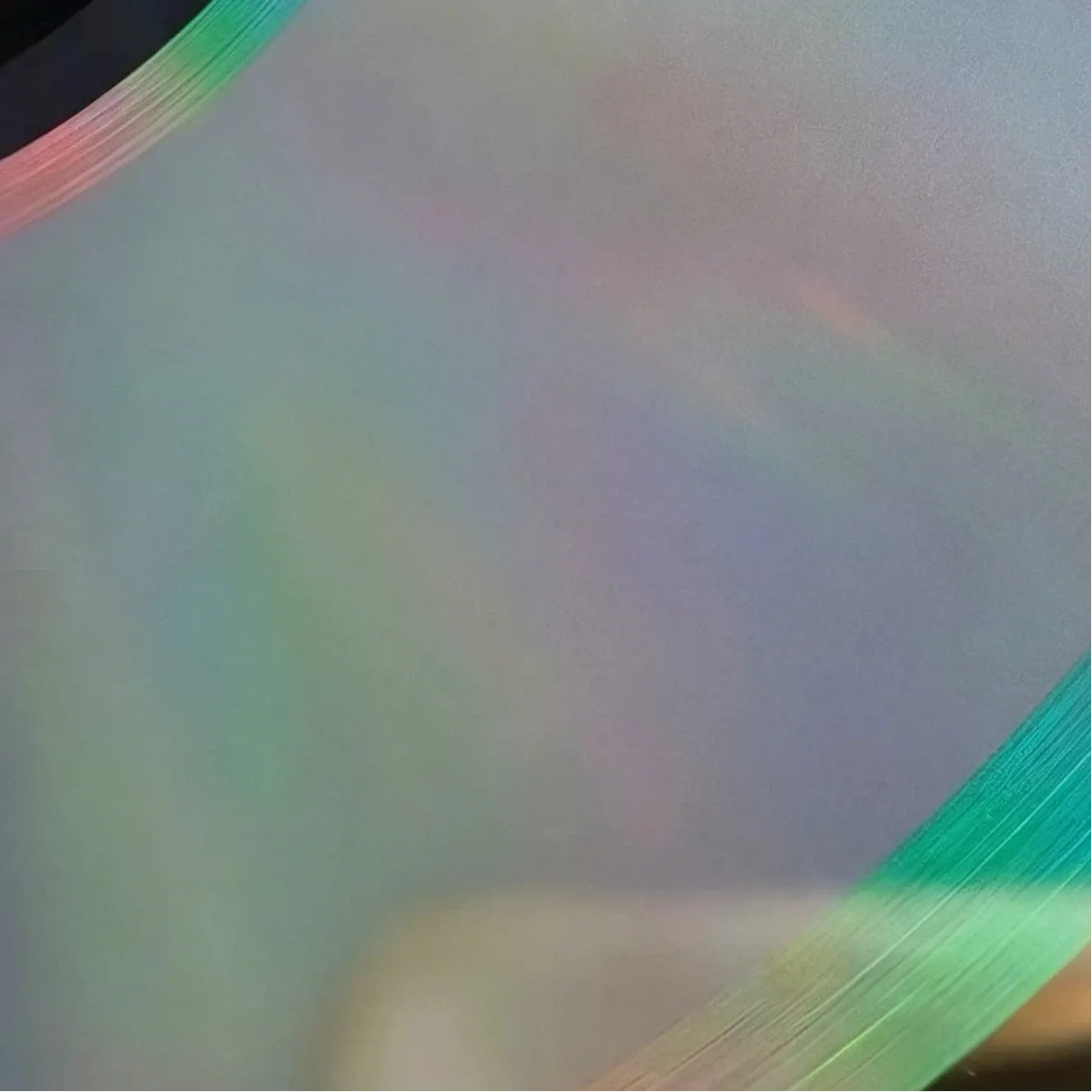
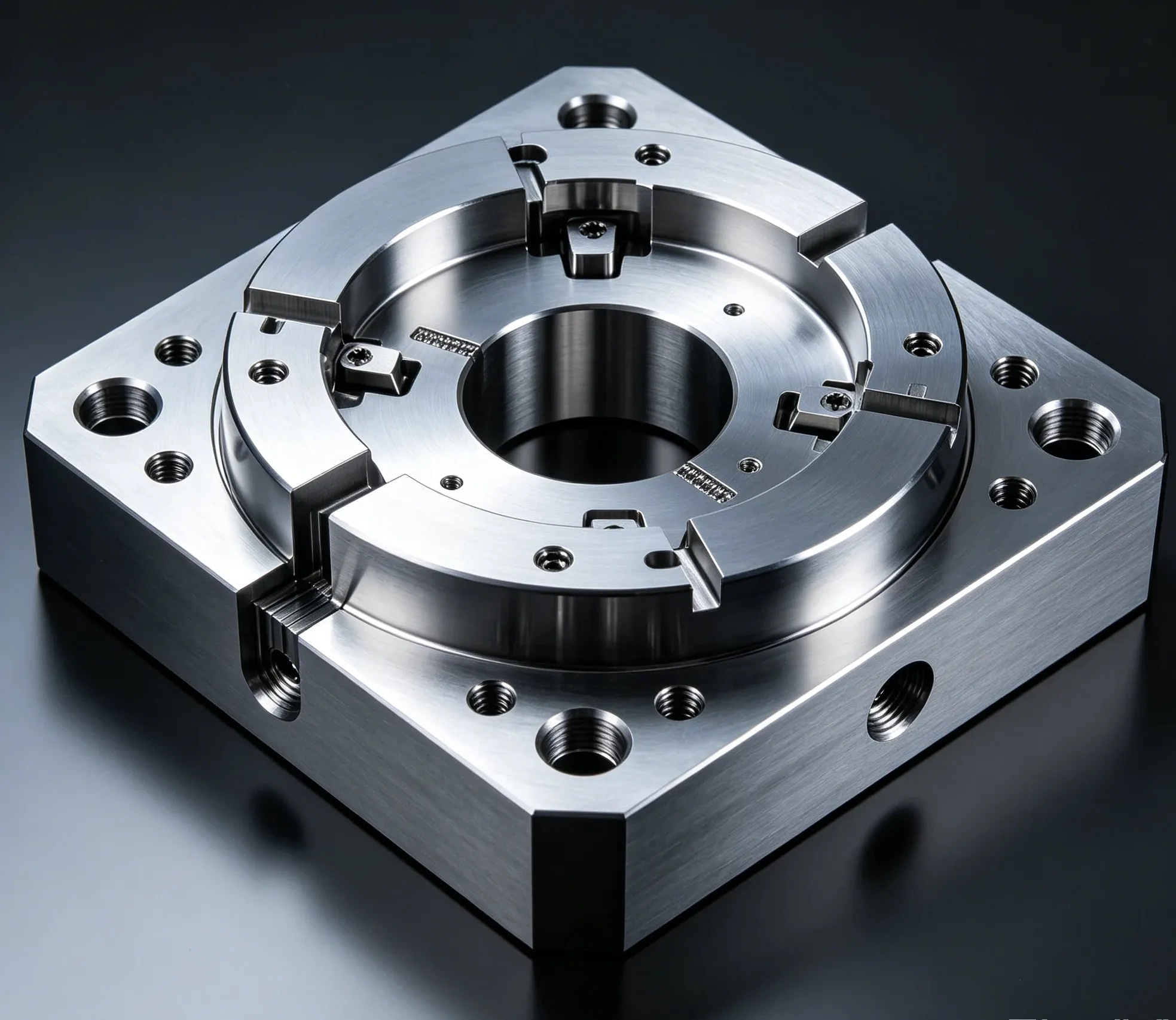
A small bore punch die fabricated from YG8 cemented carbide (tungsten carbide) for a precision stamping manufacturer exhibits prominent machining textures and micro-scratches on its inner bore and end faces subsequent to WEDM and sinker EDM processing. The as-machined surface roughness measures roughly Ra 0.6 μm. These surface imperfections readily induce galling and burr formation on stamped components during production, leading to abbreviated die service life and inferior process yield. A high-throughput, consistent polishing process is thus in critical demand.Polishing cemented carbide via diamond polishing suspension constitutes a highly process-critical operation. Given the exceptional hardness of YG8 cemented carbide, only diamond abrasives possessing greater hardness are capable of delivering efficient stock removal and surface finishing on this substrate.Workpiece Technical ParametersSubstrate Material: YG8 cemented carbide (tungsten carbide)Pre-Polish Condition: WEDM / sinker EDM machined surface, Ra ≈ 0.6 μm, accompanied by residual machining textures and edge micro-chippingCustomer Performance Targets: Eliminate the surface damaged layer, achieve mirror-grade surface roughness, preserve tight dimensional tolerances, boost finished stamping part yield and extend die service lifespan
detail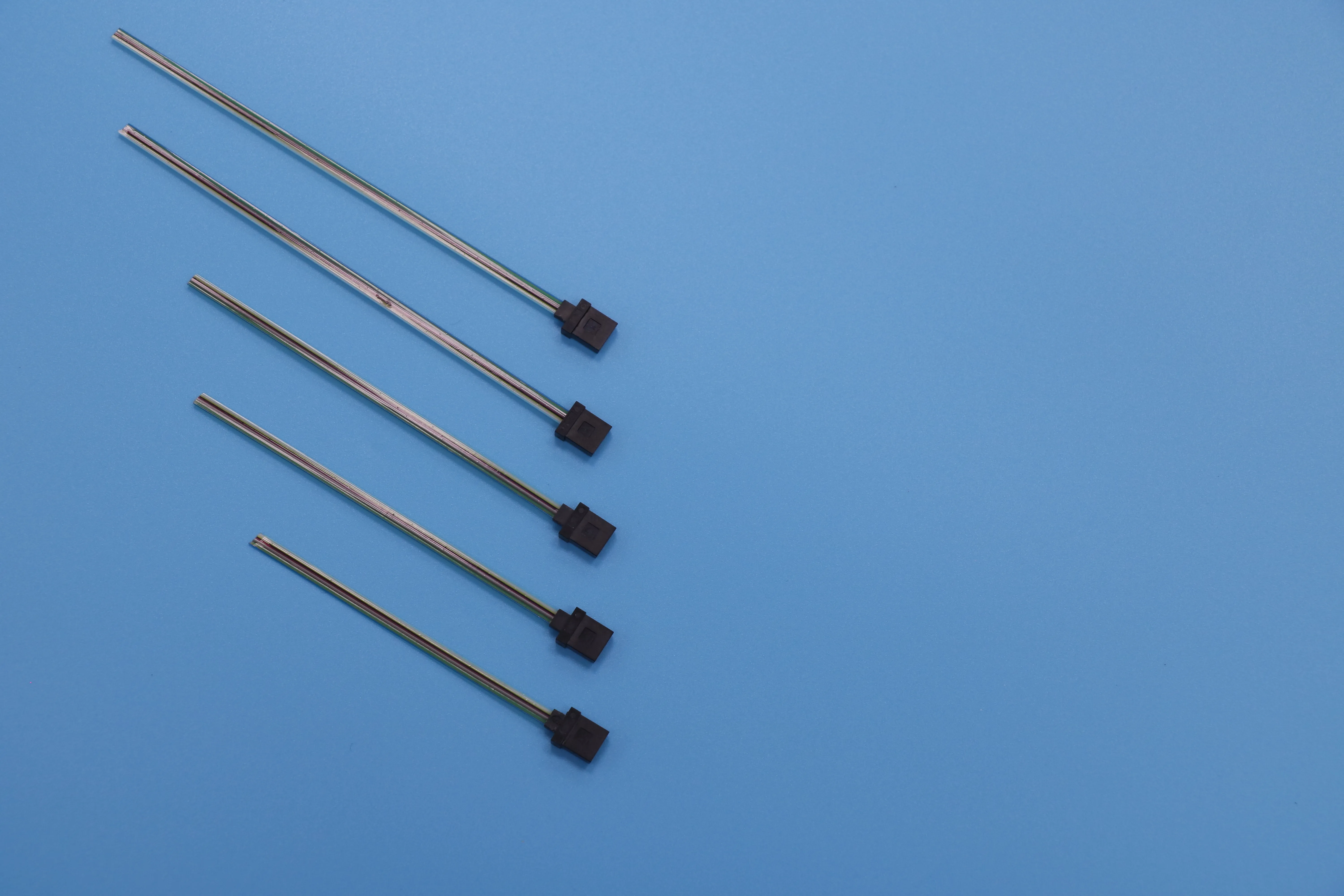
The Two-in-One Polishing Slurry for Fiber Optic Connector End-Faces is a new type of polishing consumable specifically designed for polishing the end-faces of fiber optic connectors, particularly MPO/MT multi-fiber connectors. It combines the final two steps of the traditional polishing process — fiber protrusion and final polishing — into a single step, thereby simplifying the process, replacing imported precision polishing slurries, and reducing costs while improving efficiency.This product employs a unique formulation technology that uniformly disperses selected nano-scale abrasives and functional additives to form a stable suspension system, enabling high-efficiency polishing of the fiber ferrule end-face in a single process step.
detail